How to Fix Runny Pudding: 5 Rescue Methods That Actually Work
A pudding that refuses to set is one of the small disappointments of home cooking. You chilled it overnight, peeled back the plastic wrap, and what should be a silky spoonful slides around the bowl like a milkshake.
Most runny puddings are fixable. Starch-thickened puddings, egg custards, chia puddings and mousses fail for different reasons, but each has a specific rescue. Here are five that work, roughly in the order you should try them, and the point at which a batch is better repurposed than saved.
Why Pudding Stays Runny
Before you start adding things, work out which failure you're dealing with. Thickening is a process, and each kind has a temperature or a ratio it needs.
- Starch that never boiled. Cornstarch, arrowroot and tapioca starch gel only at a full boil, and they need about a minute of it. A pudding that merely simmered will taste fine and stay liquid.
- Not enough starch for the volume. A tablespoon of cornstarch turns a cup of liquid into a light sauce. A spoonable pudding wants closer to two.
- Too much sugar or acid. Sugar competes with starch for water, and acid can thin a starch gel during long cooking.
- Eggs that never reached setting temperature. Custards firm up around 170°F to 180°F. Pull them at 150°F and you've made delicious warm milk.
- Gelatin that wasn't bloomed or dissolved. Dry gelatin sprinkled into cold pudding stays gritty and useless.
Rescue 1: Simmer It Again with More Starch
This is the fix for cornstarch, arrowroot and tapioca puddings, and the one most likely to give you the dessert you originally wanted. Work in a heavy saucepan, off the heat at first, so nothing scorches while you whisk.
- Whisk the cold pudding smooth, then set the pan over medium heat.
- For every cup of pudding, mix 1 tablespoon of cornstarch with 2 tablespoons of cold water or cold milk until no dry lumps remain.
- Whisk the slurry in, then bring the pudding to a real boil — not a lazy bubble at the edge, but a rolling one across the surface.
- Hold it there for 1 to 2 minutes, whisking constantly. This is the step everyone rushes.
- Off the heat, stir in a pinch of salt and a splash of vanilla or a knob of butter to cover the raw starch taste, then cool with plastic pressed directly onto the surface.
Chill at least four hours before judging it, because starch puddings firm up considerably as they cool. One caution: once it's thick, stop whisking hard. Cornstarch gels thin out when they're worked aggressively, so fold rather than beat.
Rescue 2: Reduce It on the Stove
If the pudding is only slightly loose — it coats a spoon but won't mound on it — you can simply cook water out of it. Bring it to a gentle simmer, uncovered, and stir every minute or two for 10 to 15 minutes, until a spoon leaves a clear trail across the bottom of the pan, or the pudding mounds softly when dropped from a spoon. Keep the heat low; a hard boil can scorch milk-based puddings and make them grainy. This method works best for custards and starch puddings that are already thickened but not set. It concentrates flavor, so you may want to add a splash of milk or cream afterward to loosen the texture if it becomes too thick.
If you reduce too far, you can always whisk in a little warm milk. Just remember that reduction only removes water; it won't fix a pudding that lacks enough starch or gelatin to begin with. For those, move on to the next rescue.
Rescue 3: Add Gelatin or Agar for a Firmer Set
When a pudding is flavorful but structurally hopeless — a chocolate mousse that never whipped, a chia pudding that stayed soupy, or a custard that tastes great but won't hold a spoon — gelatin or agar can save it. These setting agents work by forming a mesh that traps liquid, and they're especially useful for puddings that are too thin to reduce further without turning gluey.
For gelatin, sprinkle 1 teaspoon of unflavored powder over 2 tablespoons of cold water in a small bowl. Let it bloom for 5 minutes, then melt it in the microwave in 10-second bursts or over a pan of simmering water. Whisk the melted gelatin into your pudding while it's still warm. One teaspoon per cup of pudding gives a soft, silky set; 1½ teaspoons gives a firmer, sliceable one. Chill for at least four hours.
Agar-agar is the vegetarian alternative. Use 1 teaspoon of agar powder per cup of pudding, bring the mixture to a full boil for 2 minutes to activate it, then chill. Agar sets at room temperature and produces a slightly more brittle texture than gelatin, so it's best for firm puddings and panna cotta–style desserts. Note that agar needs acid to set well; if your pudding is very alkaline (like some chocolate mixes), add a squeeze of lemon or a pinch of citric acid.
Rescue 4: Fold in Whipped Cream or Meringue
For mousses, fruit fools and soft custards that are too liquid but already taste good, you can add structure without cooking. Whip ½ cup of heavy cream to soft peaks and fold it gently into 2 cups of chilled pudding. The air bubbles and fat globules will thicken the mixture and give it a light, spoonable texture. This won't make it sliceable, but it will turn a soupy mess into a luxurious dessert.
You can also fold in a Swiss meringue: whisk 2 egg whites with ⅓ cup sugar over a pan of simmering water until the sugar dissolves and the mixture reaches 160°F, then whip to stiff peaks and fold in. This adds stability and a marshmallow-like sweetness. Avoid raw egg whites unless you use pasteurized eggs. Fold gently in three additions, and chill for at least an hour before serving.
Rescue 5: Strain and Serve as a Sauce
Sometimes the kindest thing you can do for a runny pudding is stop calling it pudding. If it's lumpy, split, or has been reheated twice already, strain it through a fine-mesh sieve into a clean bowl. Taste it, and adjust with a pinch of salt, a splash of vanilla, or a tablespoon of liqueur. Chill it, and serve it as a sauce over ice cream, pound cake, pancakes, waffles, or fresh fruit. It's also excellent stirred into coffee, swirled into yogurt, or layered into a trifle.
This is not a failure. A silky chocolate sauce made from a failed chocolate pudding is often better than the original dessert would have been. The key is to embrace the texture instead of fighting it.
When to Repurpose Instead of Rescue
Not every pudding is worth saving. If it tastes raw or starchy, if it has split into greasy curds, or if it has been reheated more than twice, the texture and flavor are likely compromised. In those cases, repurpose it:
- Pudding pops: Pour into molds and freeze. The cold masks texture issues and the flavor stays intact.
- Smoothies: Blend a scoop into a banana or berry smoothie for extra creaminess.
- Overnight oats: Stir a few spoonfuls into oats and milk; the pudding acts as a sweetener and thickener.
- Cake filling: Use as a soak for poke cake or a layer in trifles, where other textures hide the looseness.
- Ice cream base: Whisk into a custard base and churn; the extra liquid will incorporate.
The single most common mistake is pulling a starch pudding off the heat before it reaches a true boil. The second is not chilling it long enough before deciding it failed.
How to Prevent Runny Pudding Next Time
Prevention is mostly about ratios and patience. Follow these guidelines and you'll rarely need a rescue again.
- Use the right starch ratio. For a spoonable cornstarch pudding, use 2 tablespoons of cornstarch per cup of milk. For arrowroot or tapioca, use 1½ tablespoons per cup, as they thicken less aggressively.
- Boil, don't simmer. Starch needs a rolling boil for at least 1 minute to gelatinize fully. Whisk constantly so nothing sticks.
- Cook custards to temperature. Use an instant-read thermometer and pull egg custards at 170°F to 180°F. They will thicken further as they chill.
- Bloom gelatin properly. Always sprinkle gelatin over cold water first, let it sit, then dissolve it completely before adding to warm liquid.
- Chill overnight. Most puddings need at least 4 hours, but 8 to 12 hours gives the best set. Don't judge a warm pudding.
- Reduce sugar slightly. If your recipe is very sweet, cut back by 1 to 2 tablespoons. Sugar interferes with starch gelation.
With these rescues and habits, a runny pudding becomes a temporary problem rather than a ruined dessert. Start with the gentlest fix, taste as you go, and remember that a sauce is still a perfectly good ending to a meal.
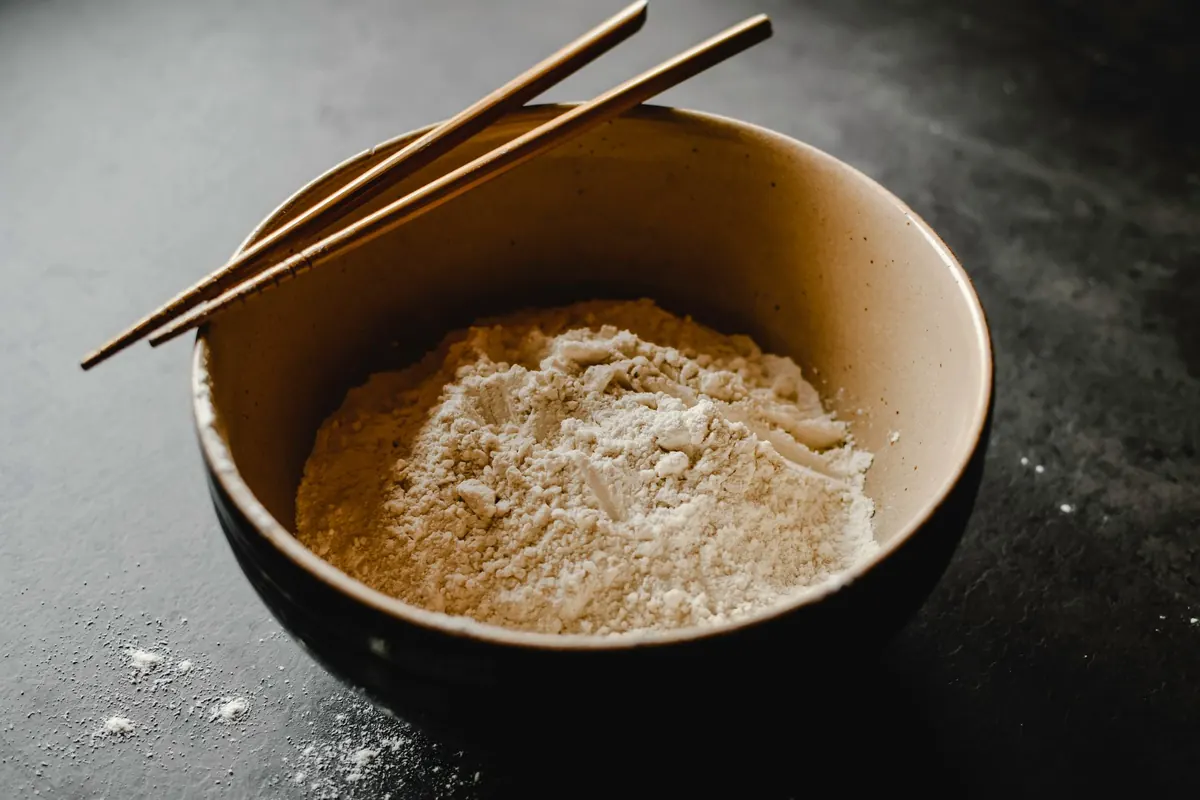
Photo: gerhardy / Pixabay
You Might Also Like
Doubling a custard recipe takes more than multiplication. Learn which ratios to scale, how pan depth drives bake time, and how to chill safely for a crowd.
How oat, soy, almond, and coconut milks behave in dairy-free pudding, plus the starches, agar, and gums that deliver either a soft spoonable set or a firm sliceable one.