7 Pudding Mistakes That Ruin Texture (and How to Avoid Them)
A pudding can taste perfectly fine and still feel wrong. Grainy where it should be glossy. Rubbery where it should be tender. A puddle of liquid sitting under a stiff top layer. That rarely comes from a bad recipe. It comes from one small move at the wrong moment — heat a notch too high, a whisk that worked a little too hard, a bowl that went into the fridge thirty seconds too early.
The good news: these problems are predictable, and most are fixable in the last minute of cooking. Here are the seven mistakes worth watching for.
Mistake 1: Boiling the Custard Instead of Cooking It
Egg yolks thicken gradually, and then all at once they break. The gap between silky and scrambled is narrow, and a rolling boil blows straight through it. Once the proteins tighten, they squeeze out water, and no amount of whisking brings it back.
Keep the heat at medium-low, and if your recipe leans heavily on yolks, set the bowl over simmering water. Stir constantly, scraping the bottom and corners with a spatula or flat whisk rather than whipping.
The spoon test, done properly
Dip a wooden spoon in, pull it out, and draw a clean finger through the coating. When the line holds its shape and the mixture no longer runs back together, it's done — usually somewhere between 170°F and 180°F (77–82°C). Pull it off the heat right there. If you spot a bubble at the edge or the texture looks faintly sandy, set the pan in a cold water bath and whisk gently for a few seconds.
Mistake 2: Skipping the Strain
Even a custard that never boiled can carry tiny bits of cooked yolk, a stray lump of starch, or a scrap of chalaza. You won't see them in the pan; you'll feel them on your tongue.
Set a fine-mesh strainer over a clean bowl and push the hot custard through with a spatula, working in batches. Don't pour and hope — press. Do it while the mixture is hot and thin enough to move through the mesh. It takes ninety seconds, and it's the cheapest upgrade to any pudding's texture. Straining also catches early curdling, so if the mesh collects a lot of grain, you know to lower your heat next time.
Mistake 3: Over-Stirring
Two different problems hide under the same habit.
- Too much air. Whipping a custard like cream folds in foam, which rises and leaves a spongy layer over an otherwise smooth pudding.
- Too much shear. Starch-thickened puddings can thin out when beaten hard after they set. Vigorous stirring breaks the gel structure, and the pudding goes slack.
Stir slowly and continuously instead — a figure-eight that keeps the whole bottom of the pan moving. Constant motion, gentle hand. Save the energetic whisking for after the pan is off the heat and you're folding in butter, chocolate, or vanilla.
Mistake 4: Adding Thickener the Wrong Way
Dumping cornstarch into hot liquid guarantees lumps. Whisk it into a little cold water or cold milk first, then stream that slurry in while stirring. Same idea with flour, though flour needs a longer cook to shed its raw, pasty taste.
Then comes the step people skip: cooking it long enough. A starch-thickened pudding should come to a gentle bubble and stay there for a minute or two, stirring constantly, so the granules fully hydrate and the chalky taste cooks off. Undercooked cornstarch gives you a pudding that tastes raw and weeps water within the hour. Egg-thickened custards are the opposite — gentle heat only, never a boil.
Mistake 5: Chilling Too Fast
A hot pot of pudding straight into the refrigerator seems efficient. It isn't. Sudden cold sets the outer edges while the center is still warm, so you get a firm rim and a loose middle — and any stirring to even it out breaks the set you just built. Rapid chilling in a freezer is worse, encouraging ice crystals and a grainy mouthfeel.
Let the pudding rest at room temperature for ten to fifteen minutes, stirring once or twice, until it stops steaming. Then portion it into serving dishes, cover the surfaces, and chill. Slow, even cooling is what gives you a uniform set from edge to center.
Mistake 6: Leaving the Surface Uncovered
That rubbery film on top of a forgotten pudding isn't a mystery. It's drying. As the surface loses moisture, proteins and starch concentrate there and form a skin.
Press plastic wrap or buttered parchment directly onto the surface while the pudding is still warm, leaving no air gap. Working with ramekins? Cover each one. Some people genuinely like a skin, but you can't remove it once it forms, and it makes the texture uneven from spoonful to spoonful.
Mistake 7: Adding Acid Too Early
Lemon juice, wine, vinegar, and fruit purées are all acidic, and acid works against thickening. Added early, they can keep starch from setting properly or push a custard toward curdling. Vanilla, zest, and liqueurs also lose their brightness after a long cook.
Flavor at the end: stir in citrus juice, extracts, or alcohol once the pudding is off the heat and has cooled slightly. If a recipe genuinely calls for acid during cooking, add it in the final minute and taste before chilling.
Before You Chill: A Short Checklist
Run through this and most texture problems never happen.
- Cook custards over medium-low heat, below a boil, and pull them the second they coat a spoon.
- Strain while hot, always, even when the mixture looks perfectly smooth.
- Stir slowly and constantly; whisk hard only after the heat is off.
- Make a cold slurry with any starch, then cook it at a gentle bubble for a minute or two.
- Cool at room temperature for ten to fifteen minutes before the fridge.
- Cover the surface with wrap while the pudding is still warm.
- Add acid, vanilla, and alcohol last.
One more thing: cold mutes sweetness and aroma. Take puddings out of the
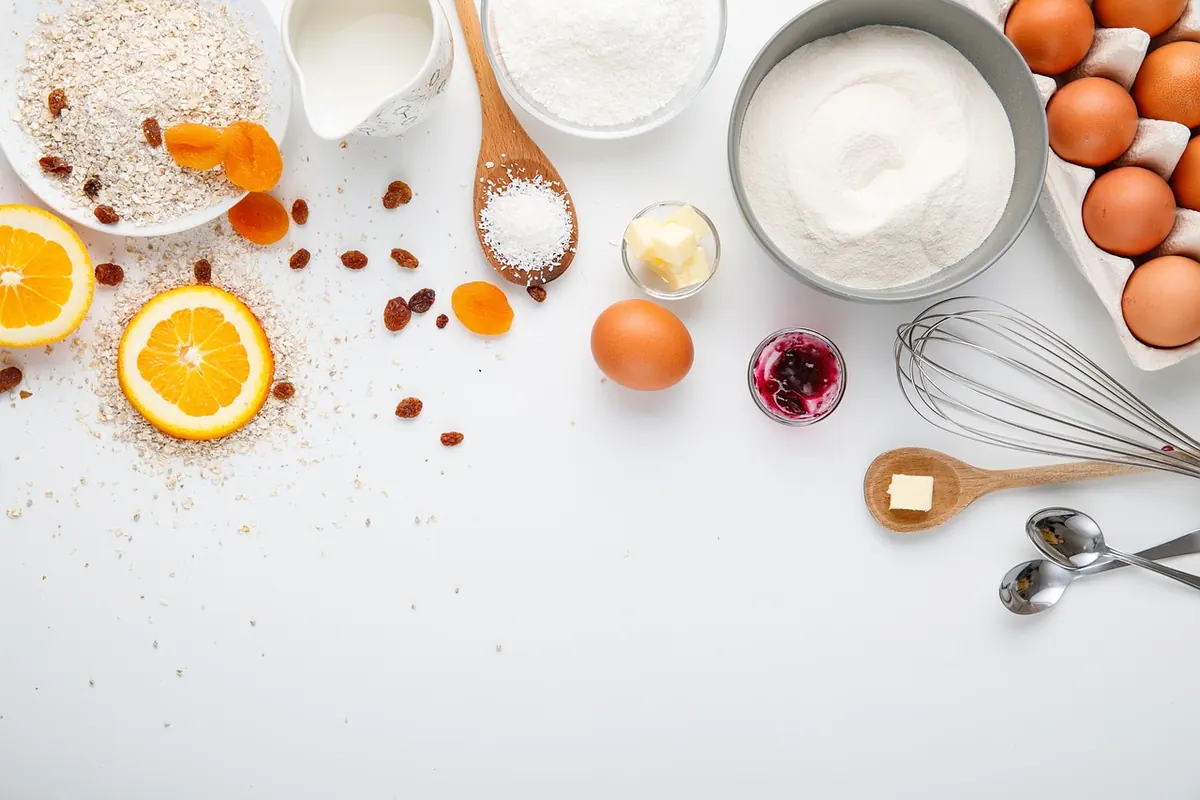
Photo: lubovlisitsa / Pixabay
You Might Also Like
Doubling a custard recipe takes more than multiplication. Learn which ratios to scale, how pan depth drives bake time, and how to chill safely for a crowd.
How oat, soy, almond, and coconut milks behave in dairy-free pudding, plus the starches, agar, and gums that deliver either a soft spoonable set or a firm sliceable one.